
Leadership insight
Using digital systems to prevent fraud
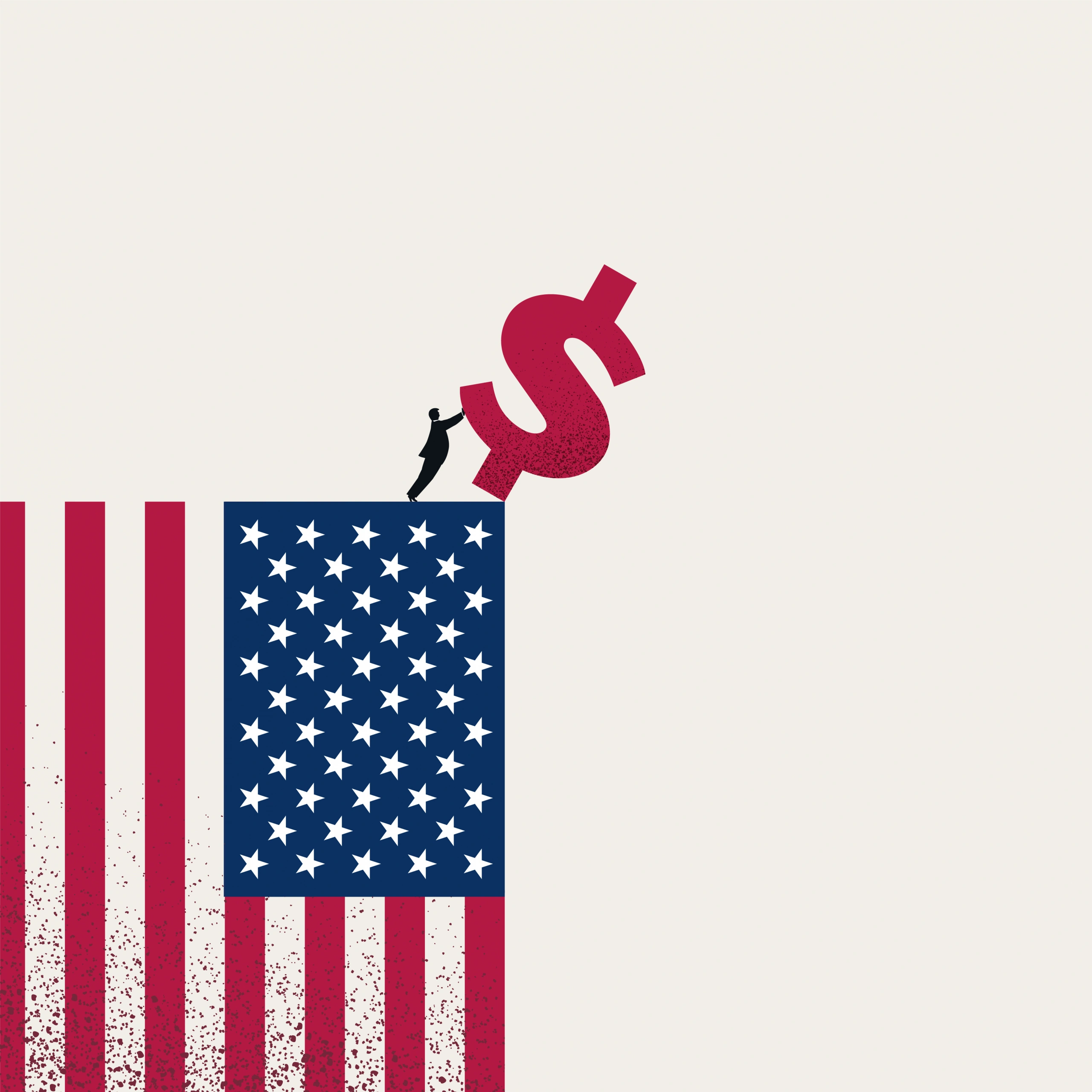
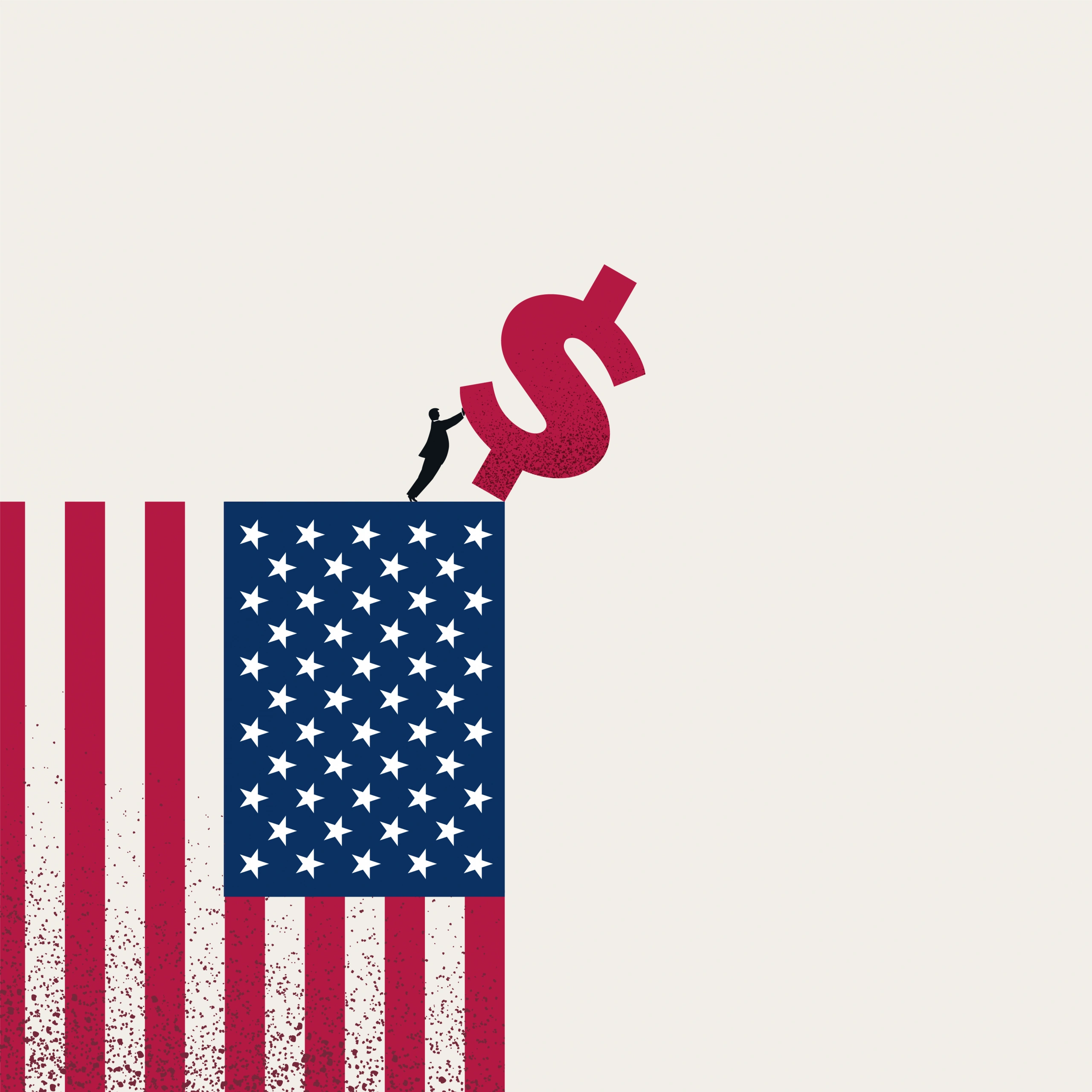
Digital systems help prevent fraud by improving transparency, enforcing controls, and enabling real-time visibility across infrastructure programs and financial workflows.


Public money is extremely attractive to fraudsters. Consider the case of the Pandemic Unemployment Assistance program in the U.S., where, in the wake of the pandemic, fraud increased by 3,000% in 2020. Ohio alone paid out $330 million to fraudsters.
I have first-hand experience of fraud with the Paycheck Protection Program (PPP), meant to quickly put money on the street to counter the impact of the pandemic. Somebody picked up just enough of my personal information to file a claim using pieces of data available from various public-facing websites. I only discovered the fraud when I received a notice saying my claim had been approved, even though I had never filed one.

Clearly, gaming the system is easy, especially when the system is quickly stood up and heavily funded, as in the case of the PPP. Large amounts of money attract the attention of fraudsters.
It would stand to reason that there may be no bigger or more attractive targets than federal infrastructure projects. Many capital projects are run by large organizations with disconnected players operating in silos. The mountains of paperwork they generate and the information asymmetry in the industry create the ideal operating environment for fraudsters. While controls are much more stringent than they were for the PPP, the sheer amount of funding for infrastructure is a target.
If I hazarded a guess, I would say a nickel out of every dollar spent on public infrastructure is diverted or lost through waste, fraud, and abuse. Reality could be much more frightful. The president of the Association of Inspectors General estimates that 10% of the
$1.2 trillion being spent over the next four years as part of the Infrastructure Investment and Jobs Act could be lost to fraud. The bigger the project, the more attractive it is to fraudsters.
In Mississippi, the governor allegedly diverted at least $5 million from welfare funds to help a former NFL quarterback build a volleyball center at the University of Southern Mississippi. In another instance, Mississippi’s capital, Jackson, had run out of drinking water. The water outage, affecting thousands of families, resulted partly from the lost opportunity to apply public funds correctly over many years through an effective capital plan.
The only way to reduce risk and prevent such instances is to daylight project information through infrastructure and construction management software solutions. The more visibility we bring to data on public spending, the easier it will be to reduce opportunities for fraud.
Much of the fraud in the industry happens in small ways. Many who commit fraud perhaps do not even think of it as fraud. For example, I am certain no one believes that coming late to work or leaving early is a crime. But when employees do it, they are stealing time. The bigger the organization, the more likely this will happen.
At many construction sites, contractors or their subcontractors may be billing for a full unit of work when they have put in just half. There are no modern safeguards that completely prevent this. Some may say, “No one is going to miss these two yards of material,” or “no one will discover this excessive material waste.” But all this comes with a cost to the taxpayer. Other fraud may be committed because employees believe they are not paid enough and deserve better, so they claim time or expenses they may not be entitled to. They probably do not feel they are criminals, but it adds to the issue of fraud.
The processes governments have today, such as audits, are not always completely sufficient to prevent all fraud or waste. By the time an audit uncovers the details, the money is gone. Once it is gone, it isn’t easy to get back. We need to put preventive processes in place. Remember, an ounce of prevention is worth a pound of cure.
One way to prevent fraud is by using digital lifecycle systems, which put light on the data and, with that, on the funding.
These systems have rule-based workflows, auditable trails as well as more effective checks and balances. They connect owners, planners, implementers, and regulators. Project details are made much more transparent, making it difficult to misrepresent facts, create deviations, or bypass processes. These digital systems allow fraud to be detected—and detected fast because many eyes review the same data. If you make it more difficult to perpetrate fraud, you make it much less attractive to attempt it.
The problem is that many organizations that manage infrastructure projects see technology investments as more expensive than the potential loss. Alternatively, they may view technology as a luxury instead of a useful tool. Neither is true, and a mindset change is required.
As a former public official, I would not want to wait for pressure from taxpayers, regulators, or public-interest litigation to change how publicly funded projects are managed. One well-publicized instance of fraud or waste immediately casts doubt upon the integrity of the entire program.
Fortunately, there are a number of leaders in the public infrastructure space who champion technology and can influence their peers to adopt a pro-technology stance. We can only hope this happens sooner rather than later.
About the author
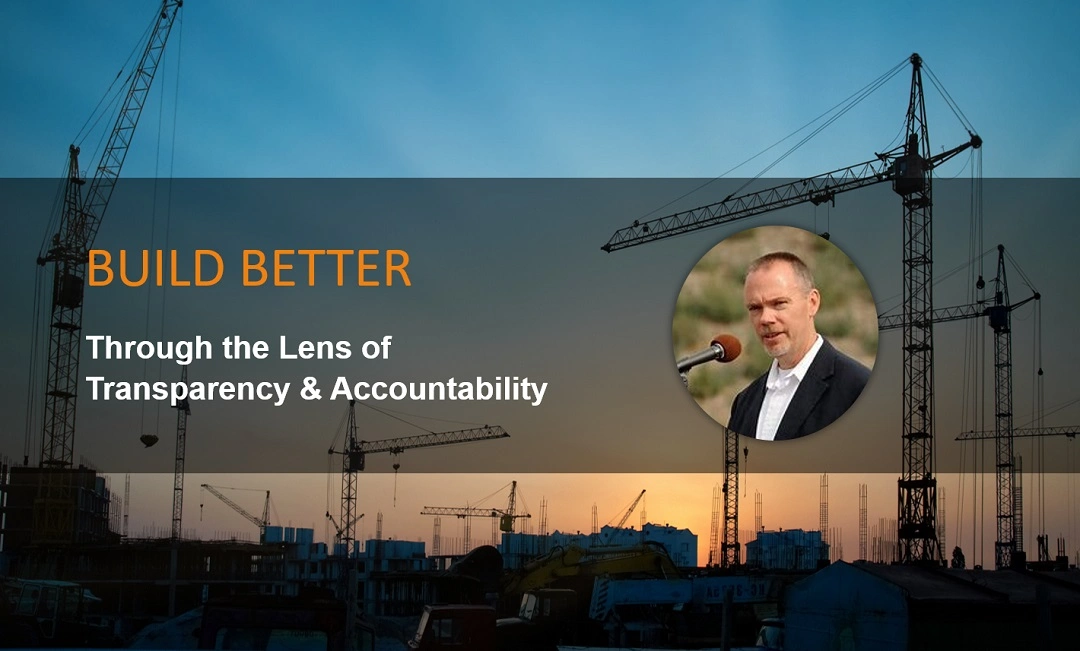
Michael Tooley brings over 35 years of public service and leadership experience to Aurigo. He previously served as Director of the Montana Department of Transportation and chaired the AASHTO Committee on Safety. Prior to leading Montana DOT, he was the Chief of the Montana Highway Patrol and earlier served as a corpsman in the U.S. Naval Reserve. As Vice President, Industry Group at Aurigo, Michael drives the expansion of industry partnerships across public and private markets and deepens engagement with sectors aligned to Aurigo’s mission. He is a graduate of Grand Canyon University and the FBI National Academy in Quantico, Virginia.
You might like




About the author

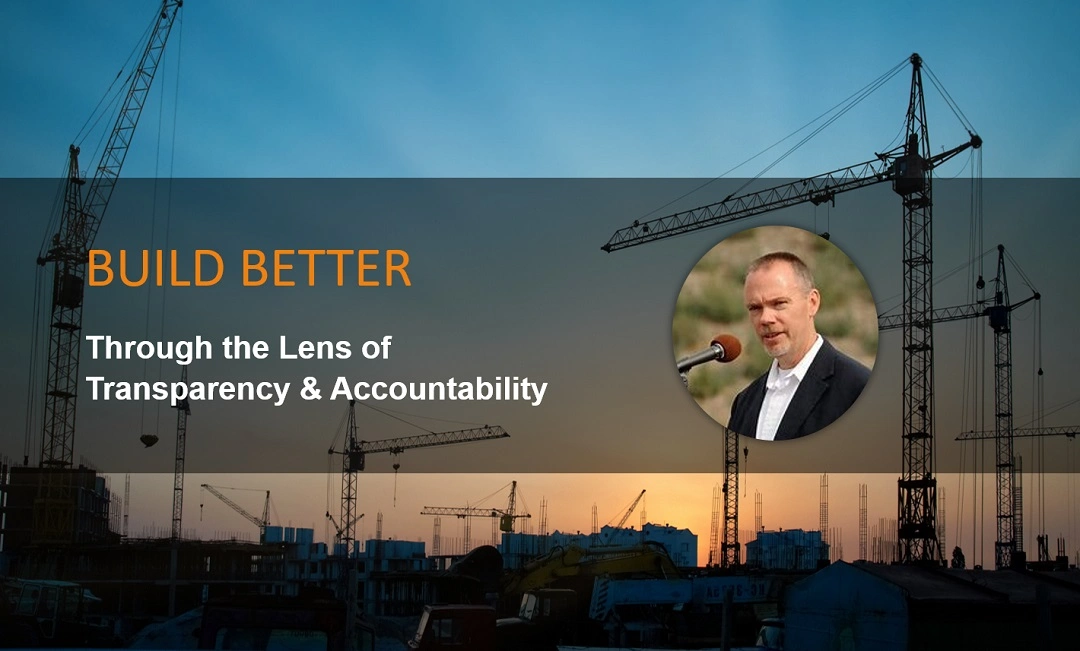
Michael Tooley brings over 35 years of public service and leadership experience to Aurigo. He previously served as Director of the Montana Department of Transportation and chaired the AASHTO Committee on Safety. Prior to leading Montana DOT, he was the Chief of the Montana Highway Patrol and earlier served as a corpsman in the U.S. Naval Reserve. As Vice President, Industry Group at Aurigo, Michael drives the expansion of industry partnerships across public and private markets and deepens engagement with sectors aligned to Aurigo’s mission. He is a graduate of Grand Canyon University and the FBI National Academy in Quantico, Virginia.