
Blog
How to effectively optimize funding in large capital programs
Organizations managing large capital programs must adopt AI-enabled capital planning tools to optimize funding allocation, model financial scenarios, and maximize long-term portfolio value under fiscal constraints.


The U.S. construction industry is set for significant growth in 2025, driven by favorable economic conditions and continued government spending. To capitalize on these opportunities, capital owners must first select the right projects with objectivity and transparency. While successfully launching capital projects is essential, managing funds effectively to deliver maximum value remains a critical challenge.
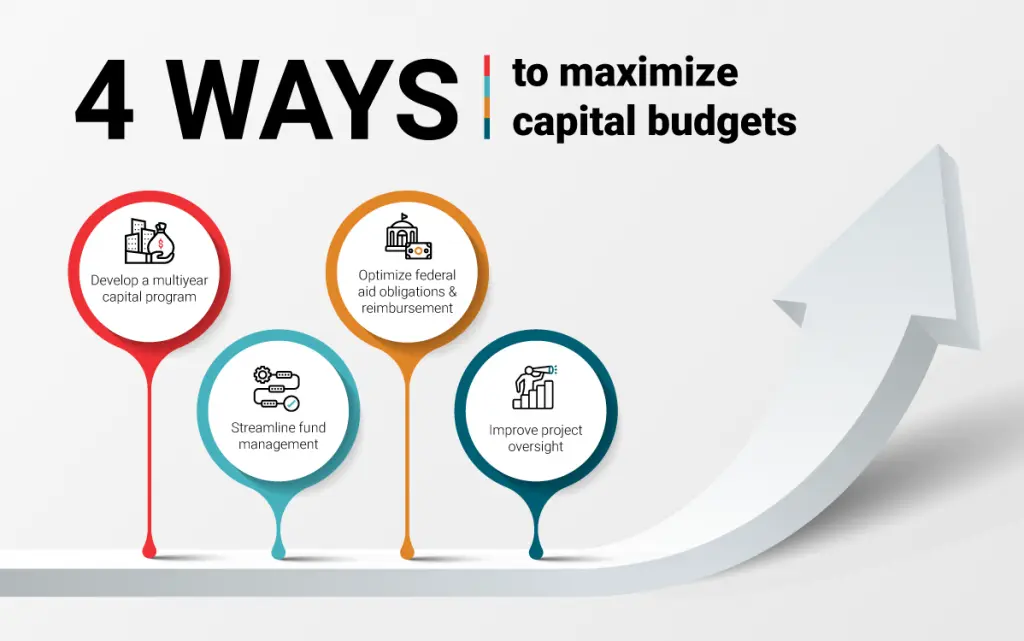
4 key strategies to maximize capital program budgets
To ensure long-term success, agencies must take a holistic approach to capital planning. The solution lies in assessing current business processes, identifying areas for improvement, and establishing standardized procedures to create a strong foundation for sustainable growth.
Create and approve a multiyear program
Managing long-range capital programs involves minimizing risk and maximizing funding allocation, but inefficiencies stemming from working with scattered, inconsistent, and outdated data limit clear visibility into priorities and costs. Centralizing project data through modern capital program management software provides clearer insights, supporting improved decision-making.
Successful planning and approval of a multiyear program depend on effective contingency measures and comprehensive forecasting. By defining contingency plans upfront and considering inflation and interest capitalization in a multiyear cash flow analysis, agencies can effectively de-risk their capital program, ensuring smoother approval and execution.
Manage and track funding sources
Managing program funding across multiple sources is complex, especially given the strict usage rules and compliance requirements. Without a centralized system, tracking funds becomes difficult, increasing regulatory risks.
A government construction management software solution with AI-assisted tracking offers comprehensive visibility into fund plans, ratios, allocations, transactions, availability, and forecasts. With AI-driven predictive insights, potential cost and schedule overruns can be identified early, enabling proactive mitigation strategies and providing reliability indicators that optimize financial accuracy and minimize compliance errors. This solution also allows public agencies to instantly generate regulatory reports, enhancing oversight of federal funding.
To avoid costly fund overruns, digital solutions can help you implement validation rules to ensure projects stay on track. These rules are established in advance, ensuring all data inputs meet predefined criteria and guarantee accuracy and adherence to project standards.

Manage federal aid obligations and reimbursements for transportation agencies
Securing the maximum funding and reimbursement in the shortest time is critical for government agencies managing federal aid. At the start of the Statewide Transportation Improvement Program (STIP), agencies can use a capital planning software solution system to run what-if analyses by adding new projects and adjusting funding source distributions to forecast more accurately. By reducing manual data entry and ensuring real-time, accurate reporting, these systems maintain a clear historical view of every change, leaving a reliable audit trail. This supports the timely settlement of all financial expenses, encumbrances, liabilities, and accounts once the project is complete and the Federal Highway Administration (FHWA) processes final invoices.
To further accelerate the process, agencies typically receive information electronically back from the FHWA to enable electronic approval and sign-off, eliminating bottlenecks. Integrating with the Fiscal Management Information System (FMIS) will automate obligation procedures and billing, enhancing overall efficiency.
When managing formula funds or discretionary grants, agencies need to address three key questions:
- What is the expiration date of the funding?
- Are the funds being spent correctly?
- And how will the agency demonstrate to the government that it is receiving the value it paid for?
These considerations are crucial for ensuring compliance, accountability, and the proper use of resources.
By leveraging capital program management software, agencies can assign funds efficiently, improve compliance, and accelerate the payment process while maximizing funding utilization.
Track decisions, approvals, and progress
Monitoring project status becomes challenging when data is scattered across multiple systems, making it hard to gain a bird’s-eye-view of every project. A government construction management software solution ensures seamless collaboration among internal teams and external stakeholders, like contractors, consultants, and inspectors, providing instant access to updated plans, documents, and workflows.
By leveraging workflows set up at the outset, agencies can make informed decisions and track approvals and progress throughout the program lifecycle. The roles and responsibilities matrix, defined at the beginning of the project planning, is crucial for audits, providing detailed documentation when needed. Additionally, real-time reports and dashboards enable drilling down to the most granular detail, ensuring optimum resource utilization as a project evolves.
Streamline capital program budget with a holistic approach
Strategic capital planning is more than just funding projects; it’s about long-term efficiency, risk mitigation, and compliance. Masterworks Capital Planning software enables government agencies to stay on track, maximize community impact, and maintain financial health, ensuring capital programs run smoothly from start to finish while minimizing disruptions and improving overall outcomes.
You might like



Frequently asked questions
What does funding optimization mean in large capital programs?
Funding optimization refers to strategically allocating limited financial resources across projects and programs to maximize value, reduce risk, and align investments with long-term organizational goals. It involves balancing priorities, managing constraints, and ensuring funds are deployed where they generate the greatest impact.
Why is funding optimization challenging in large infrastructure programs?
Large capital programs involve multiple stakeholders, funding sources, regulatory requirements, and shifting economic conditions. Without centralized visibility and scenario analysis, agencies may struggle with fragmented data, misaligned priorities, and inefficient capital allocation.
How can capital planning software improve funding optimization?
Modern capital planning software enables scenario modeling, portfolio-level visibility, and data-driven prioritization. By comparing funding strategies, forecasting cash flow impacts, and aligning budgets with strategic objectives, organizations can make more informed, defensible investment decisions.