
Blog
6 must-haves for choosing construction management software
Selecting construction management software is no longer a feature comparison exercise but a strategic decision that shapes project delivery outcomes. The right platform enables visibility, coordination, and financial control across the entire project life cycle.


Are you a capital owner who struggles to manage diverse construction and maintenance projects with lean teams? Do you battle with frequent budget and schedule overruns, making it a challenge to meet the planned objectives? Well, you are not alone. Research indicates that major capital projects see cost overruns of 79%, while schedule delays occur 52% of the time. And as a capital owner, these are not the only difficulties you will likely face.
Managing construction projects for public agencies presents unique challenges. Whether you’re working on managing construction projects for roads, rail and transit, water or electric utilities, or other key public works infrastructure, keeping stakeholders and the community informed and aligned can be daunting. Additionally, capturing and managing Daily Progress Reports (DPRs) from field inspections, coordinating remote work, and understanding critical project KPIs as well as risks become cumbersome when relying on outdated homegrown systems and spreadsheets. These limitations can lead to missed deadlines, increased costs, and significant project delays. To navigate these challenges, you need a modern cloud project management software solution that addresses the specific needs of local and regional government agencies.
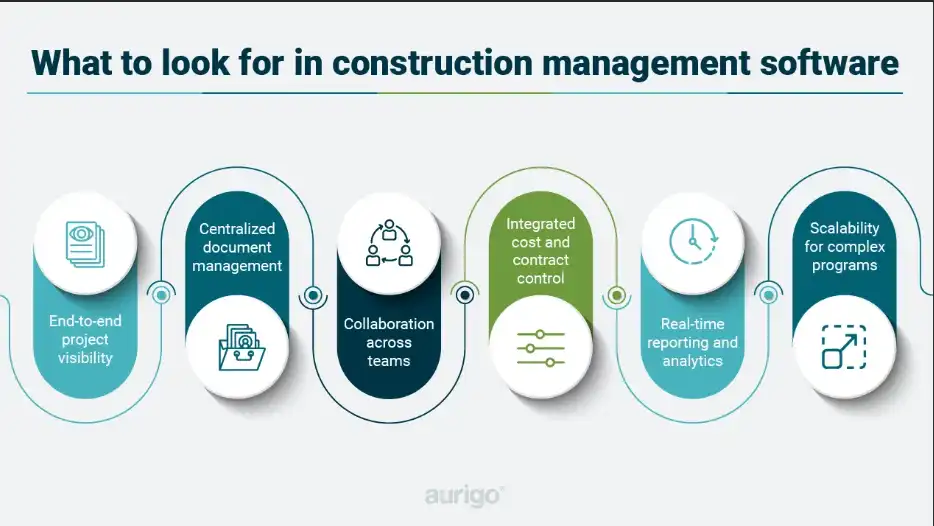
Top 6 criteria for selecting construction management software
Considering these six must-haves when choosing a construction management software solution is vital to addressing operational challenges for your agency effectively.
1. Track and manage your project delivery: As a capital owner, your construction management software needs to help you streamline workflows, scheduling, task management, and dependency tracking to ensure timely project delivery. It must display Gantt charts and have a centralized multi-project risk register which acts as an early warning system to provide a clear overview of project timelines. Your software should also have reminders to prevent missed deadlines and prioritize risks, expediting project completion while helping you meet deadlines.
2. Stay in control of your budget: Effective budget management will help you to adhere to budget constraints. A cloud project management software solution that tracks detailed and overall budgets, manages timelines, handles revisions, and monitors real-time expenditures will be critical in helping you control your budget. It should reconcile budgets with expenses using accurate commitment tracking. Efficient invoice management will help you optimize cash flow and contractor payments. Your software must track and provide a consolidated view of funding sources, allocations, and expenses. These capabilities will help you maintain project control and health by establishing clear processes, enabling teams to navigate changes efficiently, reducing disputes, and improving the likelihood of completing them within financial constraints.
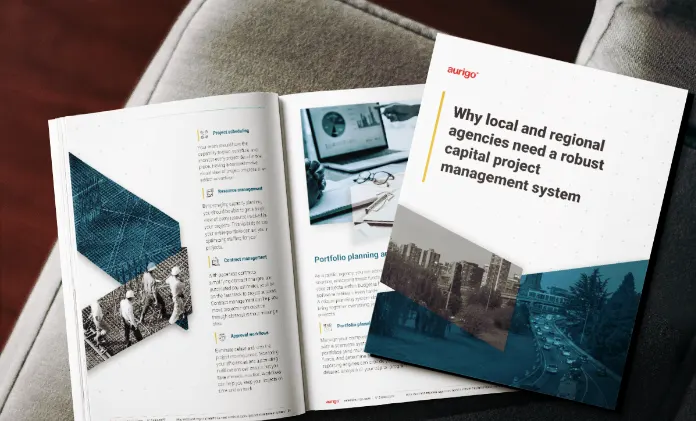
3. Accelerate project completion: To achieve faster closeouts, your software needs efficient contract administration to meet compliance requirements. It should centralize the management of RFIs by tracking due dates, importing data, and correlating them with contract documents or design files, thereby reducing response times and preventing delays. Additionally, quantity tracking functionalities will enable you to monitor contractors’ progress, simplify payment processing, and minimize disputes. Comprehensive submittal management features will help you maintain project specifications, reducing the risk of scope creep and ensuring smooth execution.
4. Be secure, inside and out: By going digital, you can access files from anywhere, anytime. Your construction document management system should make it easy to comply with all open record requirements and eliminate the need for paper storage. Your software needs to offer document management capabilities, including secure storage, role-based permissions, version control, and integration with productivity tools like Word, Excel, and CAD files. Maintaining contextual discussion threads will support your collaboration in project-specific discussions, facilitating accountability and faster decision-making.
5. Keep everyone on the same page: Whether at home, in the office, or on-site, a mobile app will facilitate real-time data collection, shorten review time, and enhance project oversight. This capability in a software solution enables inspectors and managers to capture job site information in real time while ensuring seamless data synchronization regardless of network coverage.
6. Monitor performance and keep your community informed: Your construction project management software must provide you and your stakeholders with actionable insights into project performance. It needs to offer organization-wide standard reports, customizable templates, and dashboards to help you monitor key performance indicators and make data-driven decisions. Your software should allow you to publish project details and timelines through a publicly accessible portal with a map-based interface. This improves communication with citizens and other stakeholders, thereby bolstering public trust in your agency.
When evaluating software solutions, it’s important to assess how each feature aligns with your agency’s specific needs and operational goals to maximize project success and productivity. Aurigo Essentials offers a modern, comprehensive solution that provides your agency with the capabilities necessary to manage costs efficiently and enhance transparency across all your projects.
To learn more, click here.
You might like

Frequently asked questions
Why is choosing the right construction management software a strategic decision?
Construction management platforms influence how projects are planned, executed, and governed. The right system creates alignment across teams, improves visibility into performance, and strengthens financial and operational control. Poorly chosen tools, on the other hand, can reinforce fragmentation and limit an organization’s ability to deliver consistently.
What challenges arise when organizations select software based only on features?
Feature-based selection often overlooks how systems integrate with existing workflows, financial tools, and project processes. This can lead to disconnected data, limited adoption, and inefficiencies across teams. The real value lies not in isolated capabilities, but in how well the system supports end-to-end project delivery and decision-making.
What should organizations prioritize when evaluating construction management solutions?
Organizations should focus on platforms that provide unified visibility across planning, execution, and financials. Scalability, integration capability, and ease of use are critical. Most importantly, the system should support real-time insight and structured workflows that enable teams to manage complexity and make informed decisions across projects.